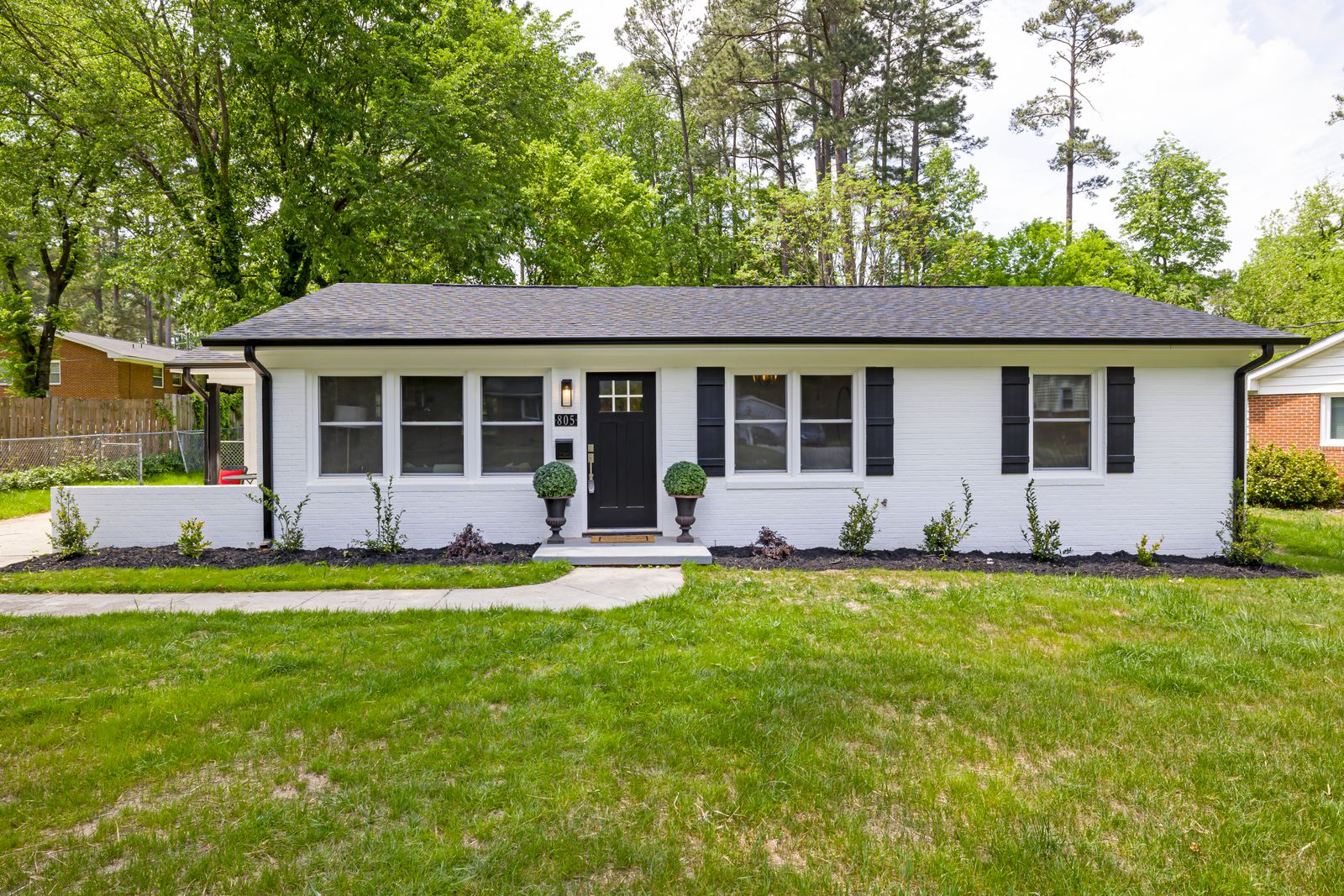
An investor bridge loan generally supports a temporary stage such as acquisition and renovation, while a DSCR rental loan is designed around a qualifying rental property's income and a longer holding plan. The correct comparison starts with the property's condition, use, and readiness for permanent financing. Compare the total path to ownership, including any second closing, instead of choosing solely from the first loan's payment or advertised leverage.
What to know before you start
- Choose the financing review around the property's current stage and intended exit.
- A bridge-to-rental strategy involves a future credit decision unless a committed structure expressly says otherwise.
- Include transition costs and a delayed-exit scenario when comparing financing paths.
Identify the job the loan must perform
A bridge loan fills a defined gap. For an investor, that gap might involve purchasing a property, completing approved improvements, and preparing it for a sale or rental refinance. The Mortgage Calculator's fix and flip program describes acquisition and renovation financing with those possible exits.
A DSCR rental loan evaluates income under the selected program's method. For many residential rental programs, that means qualifying rent compared with principal, interest, taxes, insurance, and association dues. Commercial programs can instead use operating income or adjusted cash flow compared with debt service.
Neither name answers every question about eligibility. A bridge product may not finance every repair scope, and a property intended to become a rental may not yet meet a particular DSCR program's condition or documentation requirements.
Compare the property's current condition with the loan's purpose
Begin with what exists today, then describe what must change. A leased, habitable property with supportable rent presents a different financing question from a vacant building awaiting structural work. Ask the team to identify the missing conditions for each possible loan path.
The following comparison is a framework for discussion, not a statement that every lender offers these features.
| Decision point | Bridge financing discussion | DSCR rental financing discussion |
|---|---|---|
| Current stage | Acquisition, renovation, or another defined transition | Rental operation or a property meeting the selected program's readiness rules |
| Income evidence | How the project will support its eventual exit | Which rent or operating income qualifies now |
| Funding use | Purchase advance and any approved improvement draws | Purchase, refinance, or cash-out structure if eligible |
| Repayment plan | Specific sale or refinance before maturity | Scheduled payments supported by qualifying rental income |
| Main timing question | Can the transition finish within the loan term? | Can required property and rental evidence be completed for closing? |
Price the entire path, including the transition
A two-loan plan can involve two sets of transaction expenses, an interim holding period, and a new valuation or title review. Some programs offer specific transition arrangements, but their conditions must be confirmed. Do not assume the second loan's fees, loan amount, or approval are fixed because the first one closes.
Illustrative planning example: an investor estimates $9,000 for a future refinance closing and expects the property to be ready after six months. If readiness takes three additional months and bridge interest plus property carrying costs are $2,200 per month, the delay adds $6,600 before any extension charge or other change. The transition budget is now at least $15,600 for those two items.
These are invented cost assumptions, not quoted terms. Use the same project and realistic dates when comparing a direct rental loan, a bridge-to-rental plan, and a sale exit.
Test the future rental loan before relying on it
A renovation budget does not prove that completed rent will support the intended refinance. Obtain a preliminary rental-income review, estimate the future payment with taxes and insurance, and compare potential proceeds with the expected bridge payoff and closing costs.
Ask about ownership seasoning, valuation basis, occupancy, remaining repairs, entity vesting, and any lease requirements. A preliminary discussion identifies conditions; it is not a future commitment. Preserve cash for a smaller approved loan or a later closing.
Also examine the bridge maturity and available extension provisions. Request a written explanation of what must happen for an extension and its cost. A planned extension should not replace a workable initial schedule. If a rental exit becomes less attractive, evaluate whether a sale would repay the debt after selling expenses.
Prepare a request that makes the alternatives comparable
Send the address, purchase or refinance purpose, current condition, renovation scope, expected rent, estimated finished value, existing debt, and available cash. State your intended holding period and whether you are seeking cash for improvements or only financing the purchase.
Ask the reviewer to explain which path fits the actual property and what would have to change for another path to become available. If the property already meets a rental program's requirements, compare the direct route's full terms. If significant work remains, focus first on a funded completion plan and a supportable exit.
Keep financing flexibility connected to operating decisions. A long hold with possible early sale makes prepayment terms relevant; a renovation with uncertain inspections makes draw timing relevant. Those details can change the practical choice even when two initial payments look similar.
Common questions
Is a DSCR loan always better for a rental purchase?
Not automatically. The property must fit the selected program at the time of financing. Condition, rental evidence, repairs, loan purpose, ownership, and the planned hold all affect the review.
Can the same property use a bridge loan and later a DSCR loan?
Potentially. The later loan requires its own approved conditions unless a committed arrangement expressly provides otherwise. Analyze the refinance amount, timing, costs, and cash gap before relying on that sequence.
Are bridge loans only for fix and flip projects?
No, the term can describe several temporary financing structures. This guide focuses on investment-property transitions. Provide the actual use of funds so the financing team can identify the appropriate program.
Sources & context
Published by Mortgage Calculator Company LLC d/b/a The Mortgage Calculator, NMLS #2377459. This guide is general educational information. Examples are illustrative, and program availability, qualification, and final terms require an individual review.
- The Mortgage Calculator: Fix and Flip Loans ↗
- The Mortgage Calculator: Investor DSCR Loans ↗
- Kiavi: Complete Guide to DSCR Rental Property Loans ↗
Published November 11, 2026. Reference sources checked for this edition. For a correction or question, contact the company.