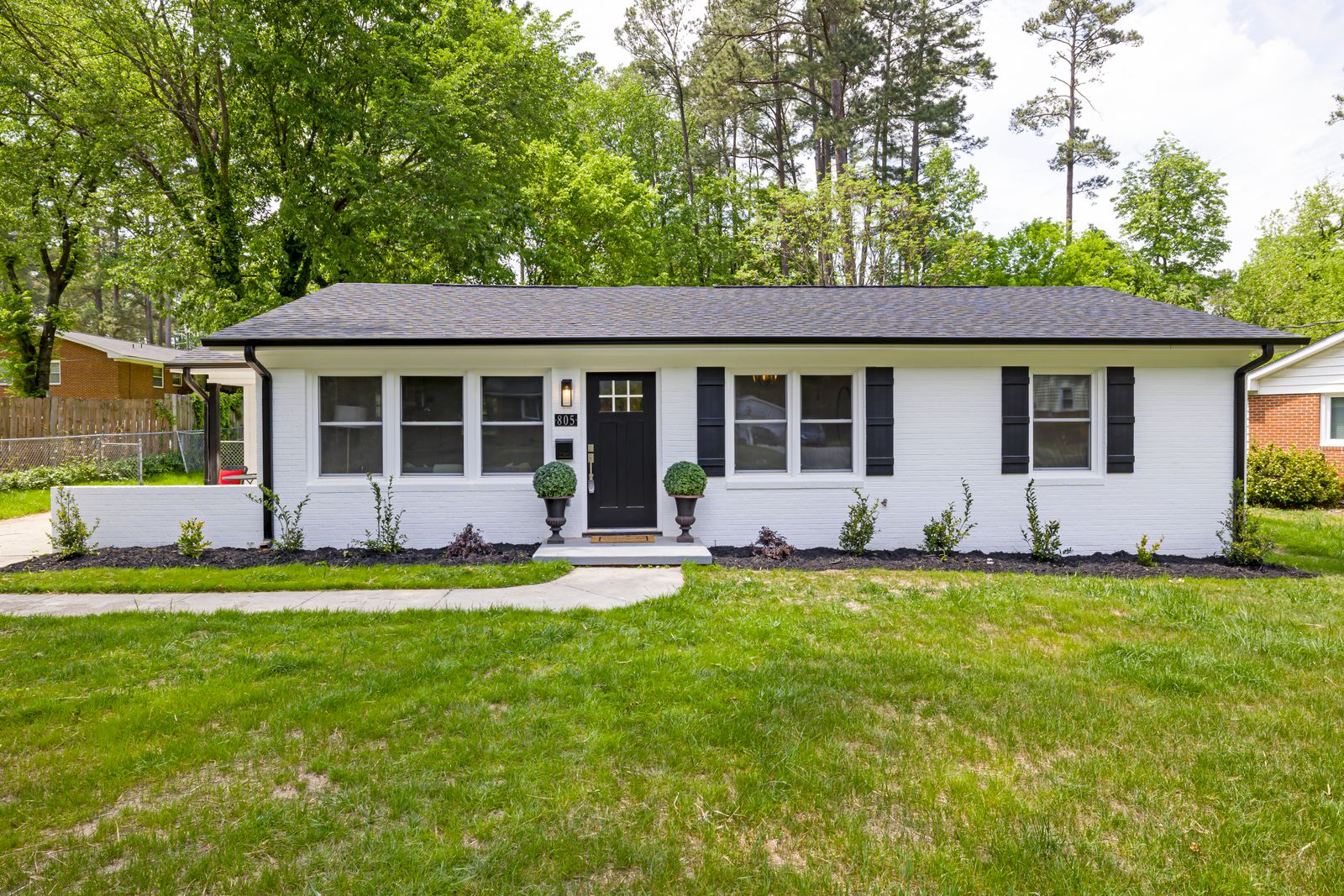
A fix and flip loan can be repaid with a DSCR rental loan when the completed property and borrower meet the new program's requirements. The refinance is a separate credit decision, even when it follows a successful renovation. Plan the rental exit before acquisition: estimate acceptable rent, completed value, total payoff, refinance expenses, and cash needed if the new loan does not repay every project dollar.
What to know before you start
- Check the future rental loan while structuring the acquisition and renovation.
- Model refinance proceeds after payoff and costs, using conservative rent and value assumptions.
- Confirm seasoning, property readiness, and maturity timing in writing.
Treat the bridge and rental loans as separate decisions
The Mortgage Calculator identifies sale or long-term refinance as possible exits from its fix and flip program. Its DSCR programs support rental-property financing. Those product descriptions do not make the second loan automatic.
A bridge lender evaluates the renovation plan and a near-term repayment strategy. The future rental lender must evaluate the finished collateral, permitted rental use, qualifying income, credit, leverage, and any program conditions at that time. A property can be attractive as a resale project yet support less rental debt than expected. Discuss both scenarios early, including whether you intend to refinance only the existing debt or also recover contributed cash.
Define what must be ready for refinance
Prepare a completion and leasing checklist before construction begins. The exact requirements depend on the rental program and property, so request a written list rather than assuming that a finished interior is sufficient.
Keep the scope, permits, paid invoices, and final photographs together. If the rental lender requires a lease or particular rental-income evidence, build that into the schedule. If vacant-property or market-rent qualification is available, confirm its conditions. Also verify whether the same ownership entity can remain on title and whether the insurance reflects the property's intended rental use.
- Identify required completion inspections, approvals, and remaining repair conditions.
- Confirm the acceptable source of rental income and treatment of any vacancy.
- Order payoff information that includes accrued interest and applicable charges.
- Leave time for valuation, title review, insurance, underwriting, and closing.
Calculate proceeds and the cash gap
Illustrative example: a completed property's supported value is assumed to be $400,000. A hypothetical loan amount equal to 70% of that value would be $280,000. This percentage is only a modeling assumption. If the bridge payoff is $265,000 and refinance costs total $10,000, approximately $5,000 remains before any other required deposits or adjustments.
If the supported value is instead $370,000, the same assumed percentage produces $259,000. Against a $265,000 payoff and $10,000 of costs, the investor would need about $16,000 at closing. Rental coverage could constrain the amount further. Neither scenario promises a particular advance.
Track original cash invested separately. A small amount of cash received at refinance does not mean all acquisition equity, renovation spending, or carrying expenses were recovered. Compare net proceeds with actual contributions to understand how much capital remains in the property.
Resolve seasoning and prepayment details early
Seasoning is a required period of ownership or loan history under a particular program. It can affect when a refinance is permitted or which value may be used. Published rental programs show that treatment varies, including program-specific exceptions for certain preceding loans. Do not transfer an exception from one lender to another.
Ask for the applicable ownership, cash-out, and valuation seasoning rules, along with documentation of completed improvements. Check both loans' payoff provisions. The bridge may carry minimum interest or other early-payoff terms; a rental loan may have a prepayment structure that matters if you sell soon after refinancing.
Work backward from bridge maturity. Use an earlier internal deadline for refinance readiness, with extra time for a low appraisal, a missing permit signoff, or a rent-documentation question.
Keep a workable alternative exit
Build a rental operating model that includes vacancy, repairs, management, capital replacements, taxes, insurance, and the proposed debt payment. A lender's coverage calculation and your long-term investment return are different analyses. Review both.
Then test a lower rent, higher insurance bill, and larger required cash contribution. Identify how you would fund that contribution without using money already allocated to another project. If the alternative is a sale, estimate net proceeds after selling expenses and remaining debt. An extension request can be part of a contingency discussion, but only a documented approval changes the maturity obligation. These comparisons help determine whether the project remains workable when the intended refinance delivers less cash or takes longer.
Common questions
Can a DSCR refinance repay a renovation loan?
Potentially, when the completed property, borrower, and transaction meet the rental program's requirements. Review payoff, property condition, rent evidence, seasoning, and available cash before relying on this exit.
Will refinancing return all the cash I invested?
That is not assured. The loan amount can be limited by value, rental coverage, program rules, and transaction type. Closing costs and the existing payoff also reduce funds available to you.
Must the property already have a tenant?
Requirements vary. Some programs may consider approved market-rent evidence, while others require lease or operating-history documentation for the scenario. Confirm what applies before setting the renovation and refinance schedule.
Sources & context
Published by Mortgage Calculator Company LLC d/b/a The Mortgage Calculator, NMLS #2377459. This guide is general educational information. Examples are illustrative, and program availability, qualification, and final terms require an individual review.
- The Mortgage Calculator: Fix and Flip Loans ↗
- The Mortgage Calculator: Investor DSCR Loans ↗
- Lima One Capital: Rental Property Loans ↗
Published November 11, 2026. Reference sources checked for this edition. For a correction or question, contact the company.