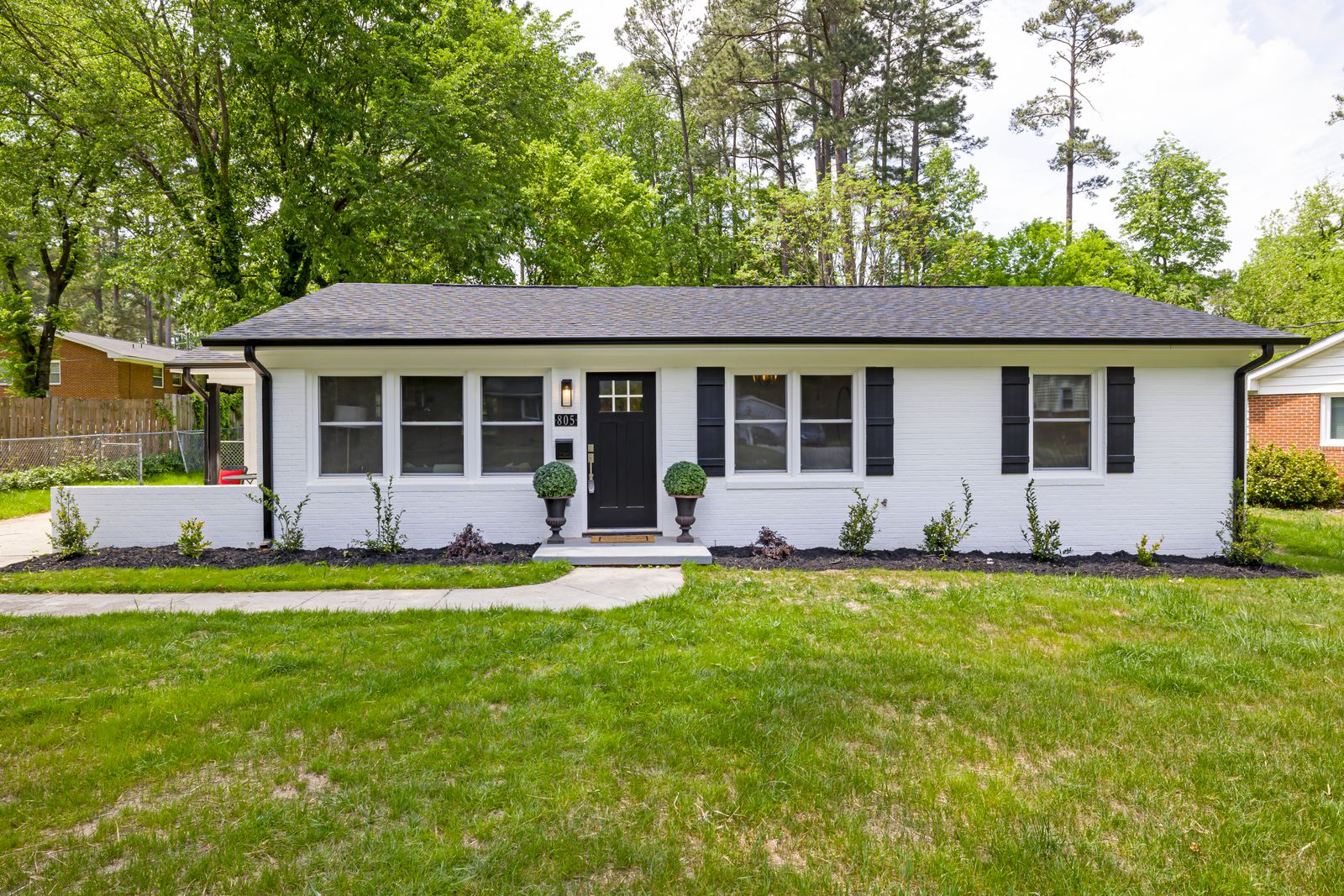
The cost of a fix and flip loan includes more than its interest rate. Compare upfront fees, the balance on which interest accrues, renovation draw charges, carrying costs, and the price of a delayed exit. Then map when you pay contractors against when reimbursements become available. A loan that finances an approved renovation budget can still require substantial working cash while construction is underway.
What to know before you start
- Ask whether interest is charged on drawn funds or the full committed amount.
- Calculate contractor payments and reimbursements by week, including the first draw.
- Compare total dollars paid over realistic hold periods, not the rate alone.
Create one complete cost schedule
Request a written list of lender and third-party charges with the basis for each calculation. An origination point equals one percent of the applicable loan amount; confirm which amount the quote uses. A fee based on total commitment can differ from one based on the initial funded balance.
Keep financing expenses separate from renovation expenses and selling costs, while including all three in the project model. Otherwise a low-rate proposal can look attractive because important expenses sit outside the comparison. Record whether a charge is paid out of pocket, deducted from proceeds, or added to a balance.
| Cost category | Question to ask |
|---|---|
| Origination and processing | Which balance or commitment determines the fee? |
| Valuation, title, and closing | Which charges are estimates, deposits, or payable at closing? |
| Draws and inspections | Is there a charge per request, visit, or approved disbursement? |
| Extension and payoff | What applies if the project finishes early or runs late? |
Understand the balance that earns interest
Under an interest-as-drawn structure, a renovation draw increases the outstanding balance and subsequent interest. Other structures differ; obtain the actual interest provision for the loan you are considering.
Illustrative comparison only: assume a $300,000 commitment, $240,000 initially funded, and a hypothetical 12% annual simple-interest rate using a monthly approximation. Interest on $240,000 would be $2,400 for a month; interest on the full commitment would be $3,000. After another $20,000 is advanced, the drawn-balance approximation becomes $2,600. Actual billing may use daily accrual, different day-count conventions, minimum interest, reserves, or other contractual provisions. Ask for a sample statement showing how your proposed structure works.
Model a draw as a process, not immediate cash
A renovation holdback is money allocated for approved work; it is not automatically available in your operating account at closing. Published draw procedures illustrate that work verification and documentation can be prerequisites to disbursement. Requirements differ across lenders and programs.
Before scheduling trades, agree on the sequence: work performed, invoice paid or submitted, inspection requested, evidence reviewed, and funds released. Confirm treatment of deposits, stored materials, change orders, partial completion, and retained amounts. Keep photographs and records by budget line so a reviewer can connect each request to the approved scope.
For planning, suppose a contractor needs $12,000 before inspection and the next trade needs a $4,000 deposit before that reimbursement arrives. Your temporary cash need is $16,000, even if the approved draw ultimately covers the first invoice. That timing gap matters independently of projected profit.
Compare full holding-period costs
Illustrative six-month model: assume a $300,000 commitment with a 2% origination fee, four draw charges of $150 each, $3,000 in other financing-related closing costs, and a $270,000 average funded balance at a hypothetical 12% annual simple rate. Origination is $6,000, draw charges total $600, and estimated interest is $16,200. These financing items total $25,800.
This is a cash-cost illustration, not an APR calculation or loan offer. It excludes property taxes, insurance, utilities, renovation, selling expenses, and any charges not listed. Add those separately. A two-month delay at a $300,000 outstanding balance would add approximately $6,000 of interest under the same assumption, before extension fees or additional operating costs. Test a delay while comparing offers; the cheapest planned timeline may not remain cheapest when work takes longer.
Use a simple weekly funding tracker
Maintain columns for opening cash, owner contributions, invoices due, interest and carrying costs, expected reimbursements, and ending cash. Mark expected reimbursements as provisional until approved. The lowest ending balance tells you more about execution risk than the total approved loan amount.
Review the tracker when the contractor changes sequencing or a permit is delayed. Obtain written approval before assuming a change order will be financed. Ask the servicer how incomplete work, an approaching maturity date, payment delinquency, or title issues affect access to remaining funds. The objective is a workable construction schedule supported by cash that will actually be available.
Common questions
Are renovation draws free?
Not necessarily. Some structures include separate inspection, processing, or disbursement charges. Ask which fees apply, how many requests are expected, and whether charges reduce the net amount wired.
Does an interest reserve cover every holding expense?
No. Its permitted use and size depend on the agreement. Taxes, insurance, utilities, contractor deposits, or overruns may require separate funds. Identify exactly what the reserve pays and what happens when it is exhausted.
Should I choose the lowest interest rate?
Compare the rate with fees, advance timing, draw rules, maturity, and payoff provisions. Model the same project and hold period for each proposal so differences in financing structure are visible.
Sources & context
Published by Mortgage Calculator Company LLC d/b/a The Mortgage Calculator, NMLS #2377459. This guide is general educational information. Examples are illustrative, and program availability, qualification, and final terms require an individual review.
- The Mortgage Calculator: Fix and Flip Loans ↗
- Kiavi: Servicing and Construction Draws ↗
- Kiavi: How the Fix-and-Flip Draw Process Works ↗
- Kiavi: Glossary of Real Estate Finance Terms ↗
Published November 11, 2026. Reference sources checked for this edition. For a correction or question, contact the company.